Sustainability at JGU
Advancing Sustainability Through Knowledge, Action and Impact
At O.P. Jindal Global University (JGU), sustainability is a core institutional value embedded across teaching and learning, research, campus operations, governance and community engagement.
Through the Office of Sustainability, JGU works towards integrating environmental, social and economic sustainability into university life while contributing to the United Nations Sustainable Development Goals (SDGs).
Our Approach to Sustainability
JGU’s sustainability efforts focus on three interconnected areas:
Climate Action
Reducing emissions, improving energy efficiency, expanding renewable energy and promoting sustainable mobility.
Sustainable Campus
Protecting biodiversity, conserving water, reducing waste and strengthening circular resource management.
Impact & Inclusion
Advancing sustainability education, research, accessibility, wellbeing, partnerships and community engagement.
Sustainability at a Glance
- 85-acre green campus
- 2.4 MW on-site solar capacity
- 25.56 lakh kWh solar electricity generated in 2025
- 65%+ of campus maintained as green and landscaped space
- 1,815 full-grown trees and 12,285 semi-grown trees
- 100% electric campus vehicle fleet
- 350+ SDG-related cross-electives offered annually
- 5-Star Excellent Rating for Environmental Impact by QS Stars
- 85th globally for SDG 16 in the Times Higher Education Impact Rankings 2026
Climate Action
JGU is working towards reducing its operational carbon footprint through renewable energy, energy efficiency and sustainable mobility.
Renewable Energy
Solar generation increased from 11.82 lakh kWh in 2024 to 25.56 lakh kWh in 2025, more than doubling in one year. Solar installations across academic buildings, hostels, dining facilities and other campus locations are helping reduce dependence on grid electricity and Scope 2 emissions.
Energy Efficiency
The campus uses:
- 100% LED lighting
- High-efficiency BLDC fans
- Smart sensors and controls
- Energy-efficient VRV air-conditioning
- Improved thermal insulation
These interventions help reduce energy consumption while maintaining a comfortable campus environment.
Sustainable Mobility
JGU is transitioning towards cleaner mobility through electric golf carts, electric bikes, EV charging infrastructure and wheelchair-accessible electric carts.
A Greener, Biodiverse Campus
JGU’s 85-acre campus serves as an important green space and natural carbon sink.
More than 50% of the campus area is maintained as green and landscaped space. The campus supports extensive tree and shrub cover and diverse birdlife while contributing to carbon sequestration, air quality, biodiversity and community wellbeing.
Through Digital Tree Tagging and Campus Carbon Mapping, JGU is developing a digital database of campus trees to support biodiversity monitoring, carbon tracking and environmental research.
Water Conservation
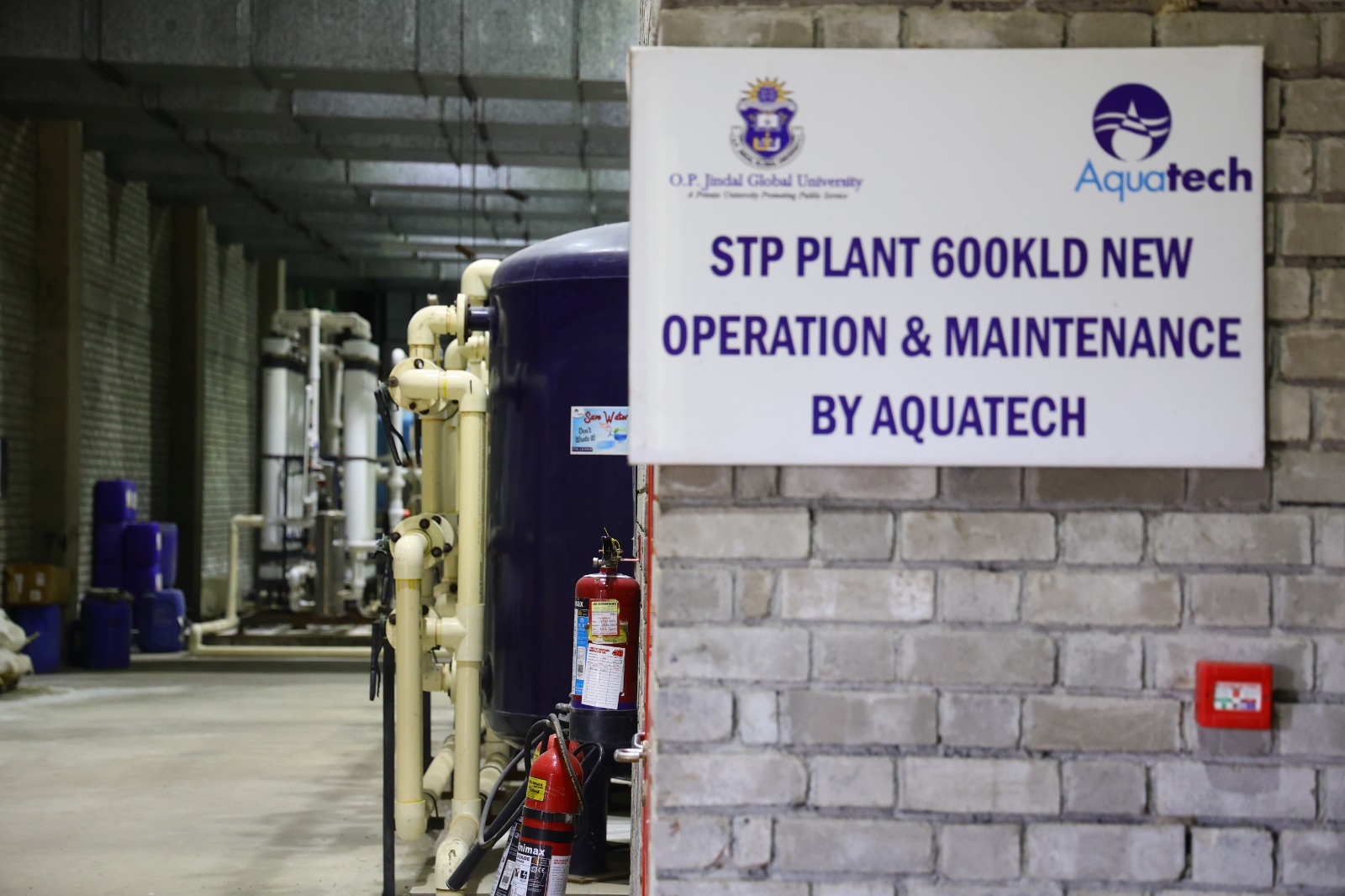
JGU follows a water-conscious approach to campus management.
Key initiatives include:
- Using treated wastewater for landscape irrigation
- Planting native and drought-resistant species
- Water-efficient irrigation systems
- Sensor-based water dispensers and aerators
- Water conservation infrastructure
These measures help reduce freshwater demand and promote responsible water management.
Waste & Circularity
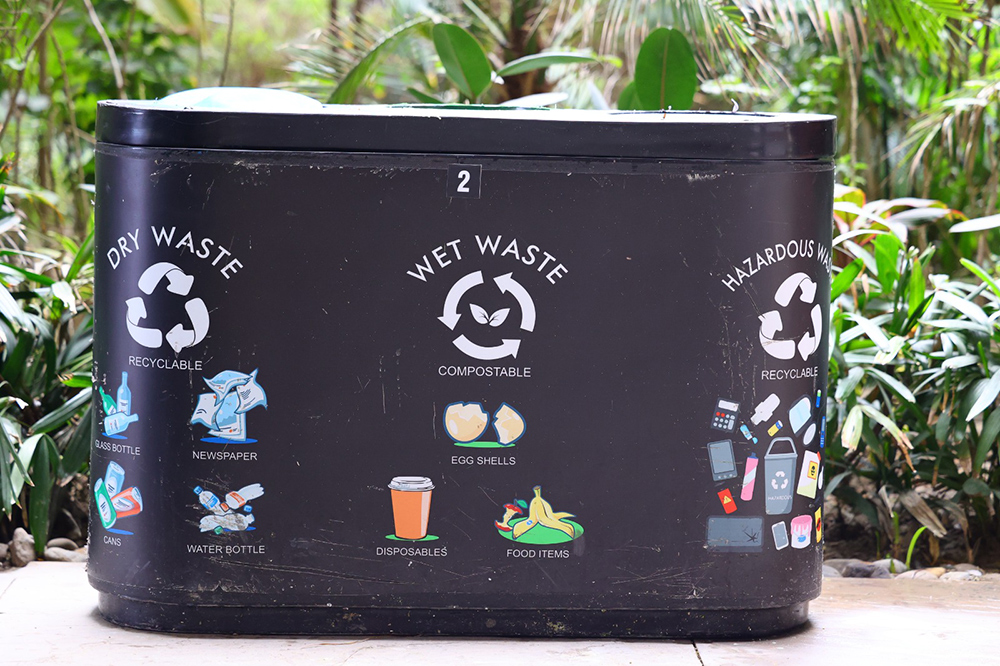
JGU follows a structured waste management system based on segregation, recycling, resource recovery and responsible disposal.
The University has undertaken initiatives covering:
- Organic waste composting
- E-waste recycling
- Paper recycling
- Textile recycling
- Source segregation
- Resource recovery and circularity
During the reporting period, 140 kg of electronics, 23 kg of paper and 250 kg of textiles were diverted for recycling or certified processing.
The Organic Waste Converter processes food waste into compost for use in campus horticulture, supporting a closed-loop approach to resource management.
Sustainability in Teaching & Learning
Sustainability is integrated across JGU’s academic ecosystem.
The Jindal School of Environment & Sustainability (JSES) offers programmes focused on environmental change, sustainability, climate action and environmental law.
Across the University, the Office of Sustainability maps courses against the 17 SDGs and their 169 targets, helping integrate themes such as climate change, food security, energy, water, circular economy and sustainable development into teaching.
JGU offers 350+ SDG-related cross-electives annually, accessible to students across disciplines.
Research for Sustainable Development
JGU’s research ecosystem contributes to the SDGs through interdisciplinary research and global collaborations.
Research areas include:
- Climate change and resilience
- Biodiversity and conservation
- Water and ocean governance
- Circular economy
- Sustainable supply chains
- Environmental law
- Sustainable cities and communities
- Energy and resource management
In 2025, JGU researchers initiated 13 new SDG-focused projects in collaboration with research councils, industry partners and other organisations.
Sustainability Literacy & Community Engagement
JGU works to build sustainability awareness across its community through sustainability training, assessments, public lectures and experiential learning.
Through Sulitest TASK™, the University measures sustainability literacy across frameworks including the SDGs, Planetary Boundaries and Doughnut Economics. JGU’s latest average score was 64.79/100, compared with a global average of 53.8/100.
Sustainability training for staff focuses on building SDG literacy, integrating sustainable practices into everyday operations and encouraging institutional innovation.
Wellbeing, Accessibility & Inclusion
Sustainability at JGU extends beyond environmental action to creating an inclusive and healthy campus.
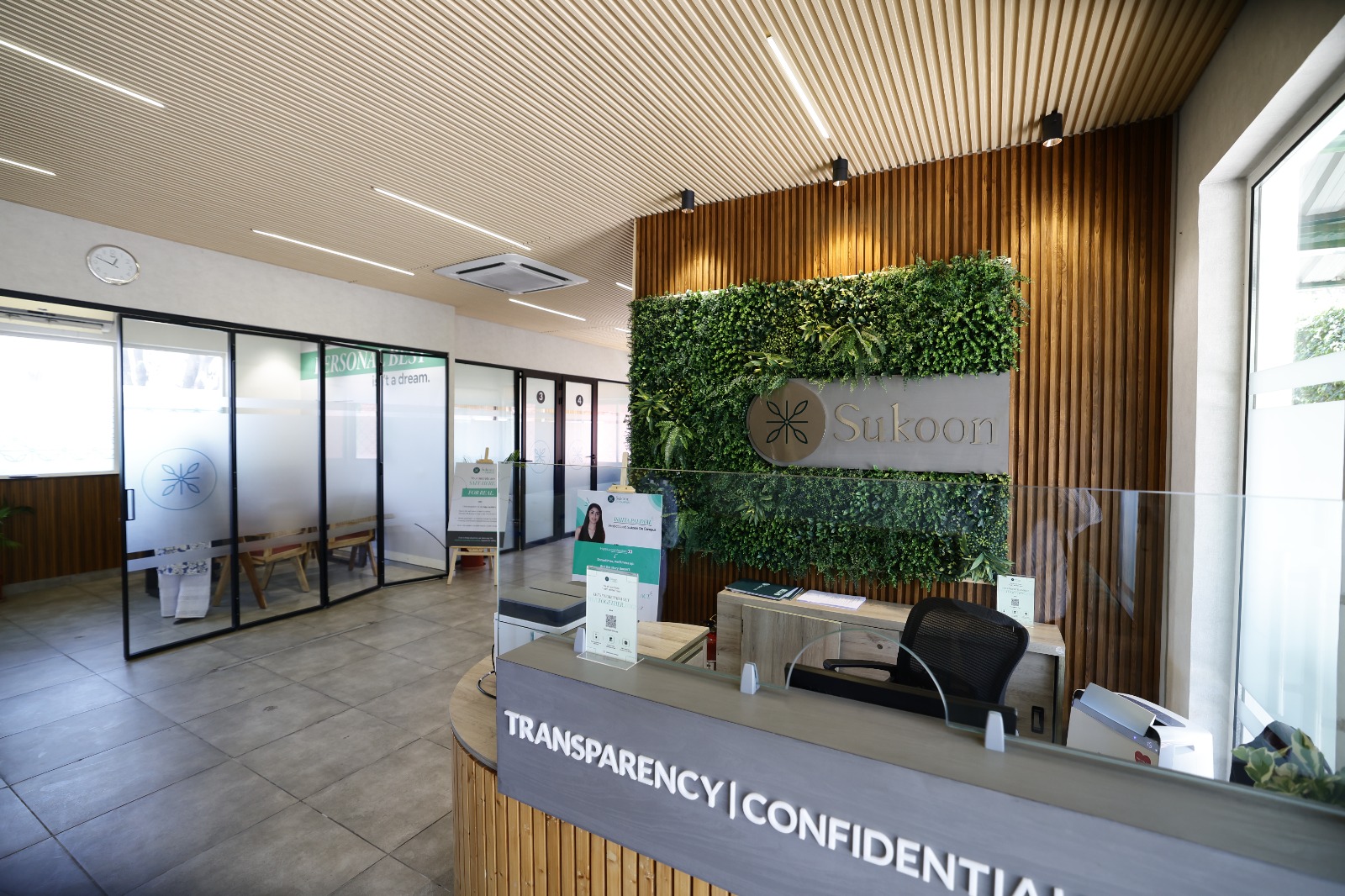
The University provides:
- 24/7 healthcare services
- Free and confidential mental health support
- Accessible campus infrastructure
- Wheelchair-accessible mobility
- Disability support and academic accommodations
- Accessible digital learning resources
These initiatives contribute to a campus where sustainability, wellbeing and inclusion are interconnected.
Accountability & Continuous Improvement
JGU undertakes comprehensive external audits covering energy, water, environment and green infrastructure. These audits support evidence-based decision-making and help identify opportunities for continued improvement in resource efficiency and environmental performance.
Through these efforts, JGU continues to work towards a more sustainable, inclusive and climate-resilient future.
For more details on JGU’s Sustainability Impact please refer to Annual Sustainability Development Report 2026.